
If you are looking for chihuahua breed information before bringing one home, the useful questions are practical ones. How big does it get, how much grooming does it need, which health problems are common, and what is it like to share a small apartment with a dog that has strong opinions? This profile covers the breed from its origins to daily life, so you can decide whether a chihuahua fits your household.
Origins
The breed takes its name from the Mexican state of Chihuahua, where small dogs of this type were reported to American visitors in the 1800s. That much is well documented. What happened before then is less certain, and anyone who tells you the full history as settled fact is simplifying.
The most common theory says chihuahuas descend from the Techichi, a small dog kept by the Toltec civilization in what is now Mexico. When the Aztecs rose to power, they are said to have kept similar dogs, and small dogs appear in some Aztec-era art and in later accounts. Writers often add that these dogs had religious roles. The evidence for the details is thin, and historians and dog researchers disagree about how direct the line from Techichi to modern chihuahua really is.
A reasonable summary: small dogs have lived in Mexico for a very long time, the modern chihuahua was shaped from them, and the exact path is unknown. Some researchers have also pointed to other small breeds from outside Mexico that may have contributed later. Treat any single tidy origin story with some caution.
What the history does tell you is that this is an old type of dog bred for companionship rather than work. It was never a herder, retriever or guard dog in the way larger breeds were, and that explains a lot about how chihuahuas behave at home.
Smooth coat or long coat: the two chihuahua varieties
Chihuahuas come in two coat varieties, and both are recognized by major kennel clubs. They are the same breed, and they can even be born in the same litter.
Smooth coat (sometimes called short coat). The hair is short, close to the body and glossy. Some smooth coats have a slightly thicker ruff around the neck. Grooming is light: a weekly brush with a soft brush or rubber grooming mitt removes loose hair and keeps the skin in good condition. Smooth coats still shed, and the fine hairs show up on dark upholstery.
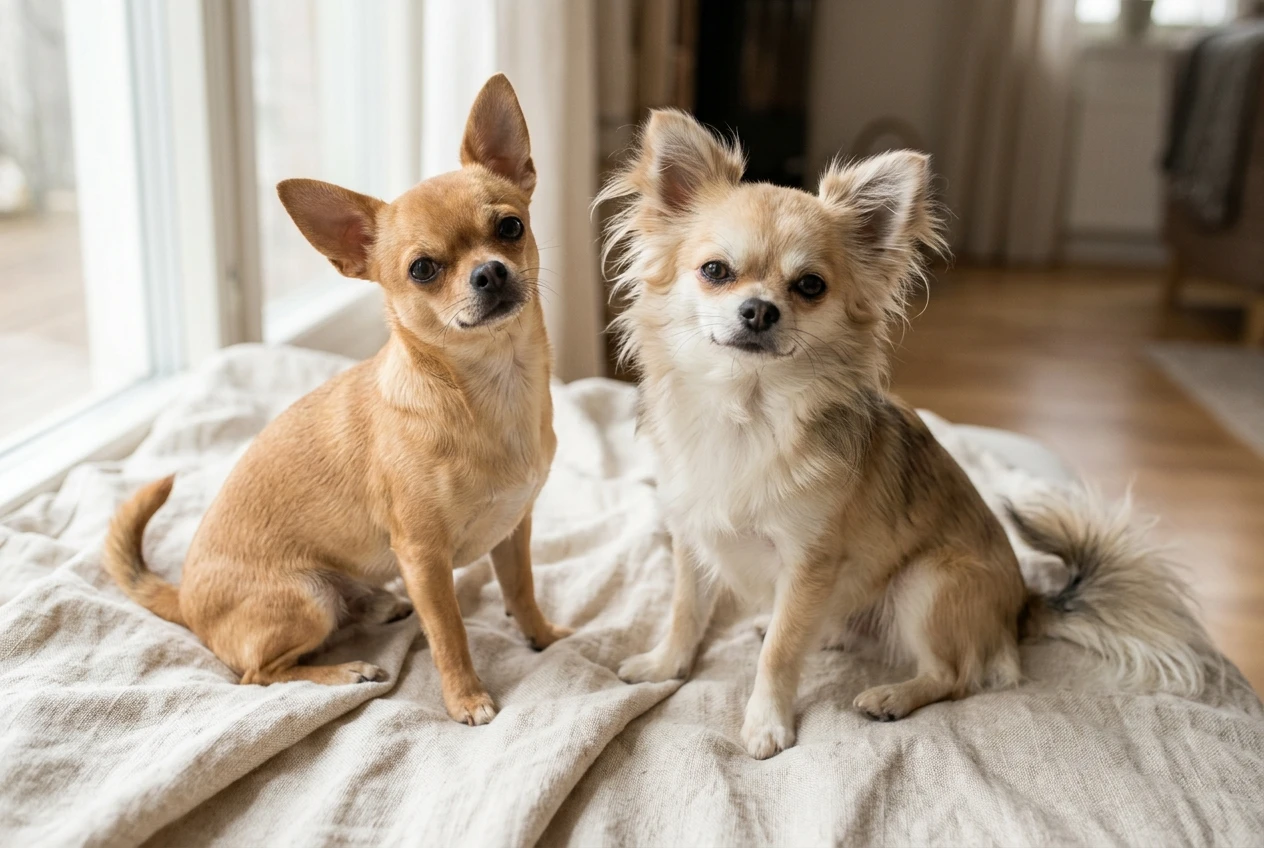
Long coat. The hair is soft and either flat or slightly wavy. It is longest on the ears, the neck, the back of the legs, the feet and the tail, which carries a plume. Long coats need brushing several times a week to prevent tangles, especially behind the ears and around the armpits, where mats form first. Even so, the coat is lighter and easier to maintain than that of many other long-haired small breeds, because it has little tendency to grow endlessly.
Neither variety is built for cold weather. Chihuahuas have little body fat and a high surface area compared with their weight, so they lose heat quickly. A long coat helps a little, but owners of both types in cool climates usually need a sweater or coat for walks and a warm sleeping spot indoors.
If you are sensitive to dog hair, neither variety is a hypoallergenic choice. Because the dog is so small, though, the total amount of hair is modest.
Apple head vs deer head: how to read a chihuahua’s appearance
Chihuahua descriptions often mention two head shapes, and the terms matter when you are reading a breeder’s listing or a rescue profile.
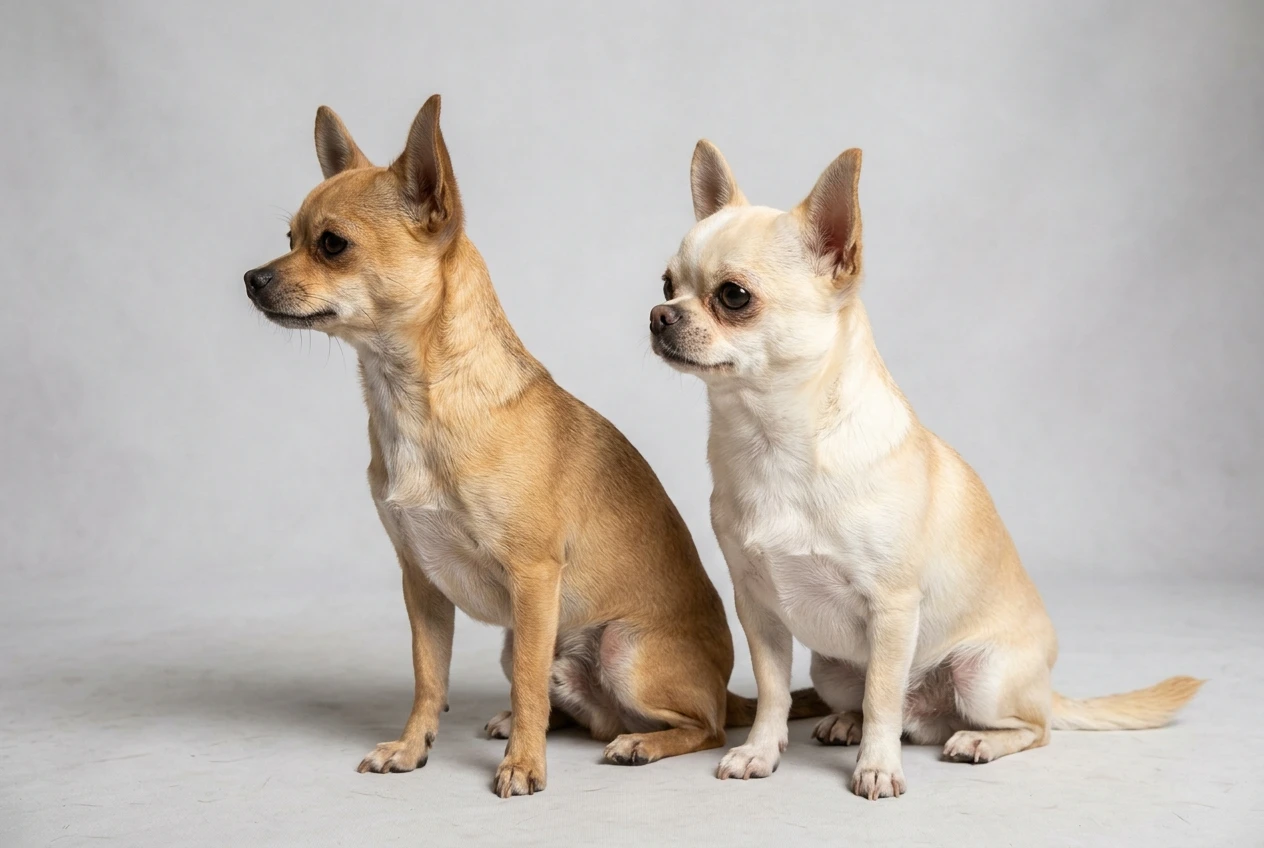
- Apple head: The skull is rounded, like a dome, with a clearly defined stop, which is the step where the muzzle meets the forehead. The muzzle is short. This is the shape described in breed standards and seen in the show ring.
- Deer head: The skull is flatter, the muzzle is longer and the face looks more like that of a small fawn. The body is often slightly longer-legged and leaner.
The deer head is common among pet chihuahuas, and the label is informal. Breed standards describe the apple dome and do not list the deer head as a separate type, so you will see breeders use the term to describe dogs that fall outside the show standard. That does not make a deer-head chihuahua a lesser pet. Some people prefer them because the longer muzzle may be less prone to certain dental crowding and breathing issues, though that depends on the individual dog and should be discussed with a vet rather than assumed.
Another feature of the rounded skull is the molera, a soft spot on top of the head where the skull bones have not fully fused. Many puppies have one and in some dogs it persists into adulthood. It needs gentle handling and a vet’s opinion if it is unusually large, since it can sometimes be associated with other conditions.
Size, colours and what to expect from a full-grown chihuahua
The chihuahua is generally described as the smallest recognized dog breed. The American Kennel Club standard sets a maximum weight of 6 pounds (about 2.7 kg). In practice, many pet chihuahuas weigh a bit more, and vets commonly consider a healthy range to be a few pounds, depending on the frame of the dog. Height is typically 5 to 8 inches (13 to 20 cm) at the shoulder.
Be wary of anyone advertising “teacup”, “micro” or “pocket” chihuahuas. These are marketing terms, not recognized varieties. Dogs sold under those names are often undersized or from very small parents, and extreme smallness is linked to a higher risk of health problems such as low blood sugar and fragile bones. A healthy dog within the normal range is a safer choice than the tiniest one on offer.
Chihuahuas come in almost every colour and pattern. Common ones include:
- Fawn, cream and chocolate
- Black, and black and tan
- White
- Blue (a dilute grey colour)
- Merle, brindle and spotted or particoloured patterns
Colour has no effect on temperament. It can matter for health in a few cases: some dilute and merle patterns carry specific genetic risks, and breeding two merles together is widely discouraged because it can produce puppies with serious vision and hearing problems. A responsible breeder will be able to explain what they have done to avoid that.
Chihuahuas are among the longest-lived dog breeds. Many reach their teens, and some live longer still, so adopting one can mean a commitment of well over a decade.
Health problems chihuahua owners should know about
Chihuahuas are not fragile in the sense of being constantly ill, but their small size and breed structure make certain problems more likely. Knowing them lets you spot trouble early and ask the right questions of a breeder or vet.
Dental disease. The mouth is small and the teeth are crowded, so tartar builds up quickly. Gum disease and tooth loss are among the most common problems in the breed. Daily or near-daily tooth brushing, plus regular dental checks and cleanings as your vet recommends, is the standard prevention. Puppies also tend to hold on to baby teeth, which may need removal.
Patellar luxation. The kneecap slides out of its groove, which can cause a skipping step, where the dog briefly holds up a back leg and then walks normally again. Mild cases may need only monitoring and weight control. Severe cases can require surgery.
Hypoglycemia. Very small dogs, especially puppies, can suffer sudden drops in blood sugar. Signs include weakness, wobbling, tremors and lethargy, and a serious episode needs prompt veterinary attention. Regular meals and a vet’s advice on emergency care are important in the first months.
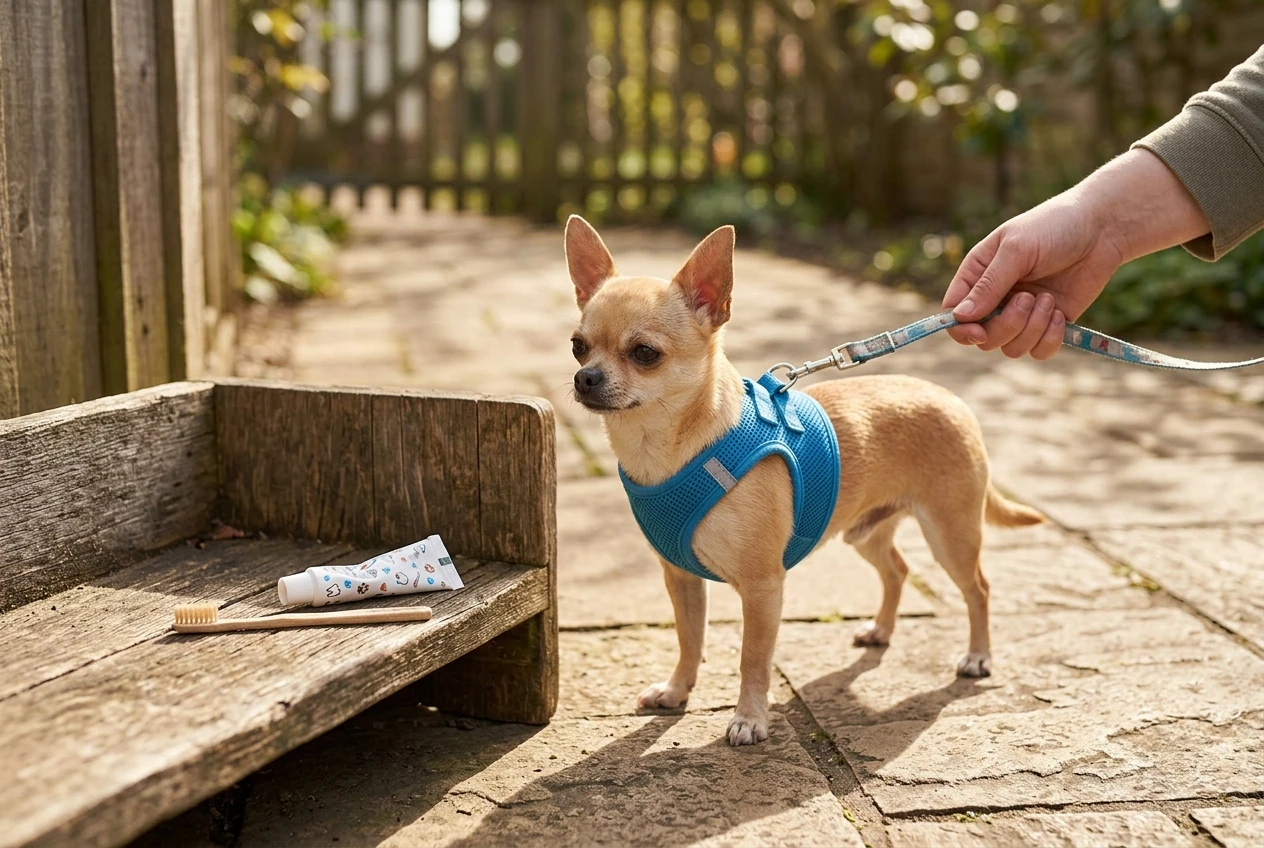
Tracheal collapse. The windpipe can weaken and flatten, causing a honking cough, particularly when the dog is excited or pulled on a collar. A harness instead of a collar takes pressure off the neck and is a sensible habit from the start.
Heart disease. Mitral valve disease, a leaking heart valve, is common in small breeds as they age. A vet can detect a heart murmur at routine checkups, which is one reason regular visits matter in older dogs.
Hydrocephalus and the molera. Fluid build-up in the brain is a rare but serious condition more often reported in small, domed-skull breeds. Warning signs in a young puppy include an unusually swollen head, seizures or problems with coordination. Any concerns should go to a vet quickly.
Obesity. Because the dog is so small, a few extra ounces matter. Treats add up fast, and extra weight worsens knee, heart and windpipe problems. Measuring meals is more reliable than guessing.
Injury. A fall from a sofa or a dropped dog can break a bone, and a larger dog stepping on a chihuahua can do serious damage. Homes with young children need clear rules about how the dog is held.
When you are looking at a puppy, ask the breeder what health screening the parents have had, particularly for heart and kneecaps. A vet check within the first days of bringing a dog home is also worthwhile.
Temperament: loyal, bold and sometimes bossy
Chihuahuas are known for acting much larger than they are. They tend to be alert, quick and confident, and they form strong attachments. Many pick one person as a favourite and follow them around the home.
Common traits include:
- Loyalty and closeness. Chihuahuas often want to be on a lap, under a blanket or within sight of their person. They may struggle if left alone for long periods, and separation anxiety is a known problem.
- Alertness. They notice every footstep and doorbell, and many bark about them. In an apartment with thin walls, barking is something to plan for with training from the first week.
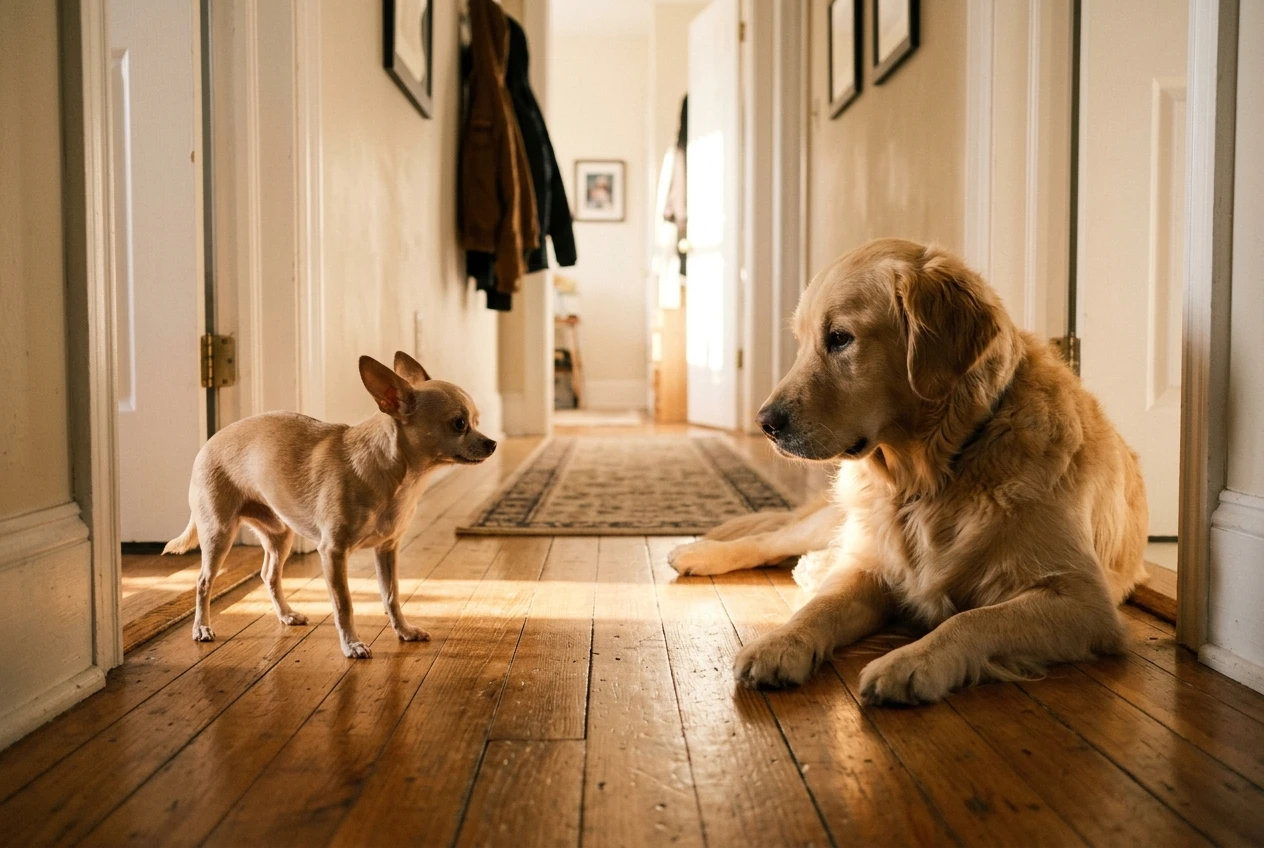
- Wariness of strangers and other dogs. Without early socialization, many chihuahuas become suspicious or snappy. They may try to take on dogs many times their size, which puts them at risk.
- Stubbornness. They are intelligent and can learn quickly, but they decide for themselves whether a command is worth following. Short sessions using treats and praise work better than harsh correction, which tends to make a small dog more fearful and more defensive.
Housetraining deserves special mention. Small bladders and a tendency to avoid cold, wet weather make chihuahuas slower to train than many breeds. Consistent schedules, praise for success outdoors and patience help. Some owners use indoor pads or a litter area, particularly in cold climates or high-rise apartments.
Socialization matters more than anything else in shaping the adult dog. Exposing a chihuahua puppy gently to different people, sounds, surfaces and calm, vaccinated dogs in the first months can reduce fearfulness later. Because the breed is so small, owners often carry their chihuahua everywhere, which can limit this exposure. Letting the dog walk, sniff and meet the world on its own feet builds confidence.
Chihuahuas can live with children, but they suit households with older, gentle children better than those with toddlers. A dog that has been squeezed or grabbed may bite in self-defence.
Is a chihuahua the right dog for you?
A chihuahua can suit you well if several of the following apply:
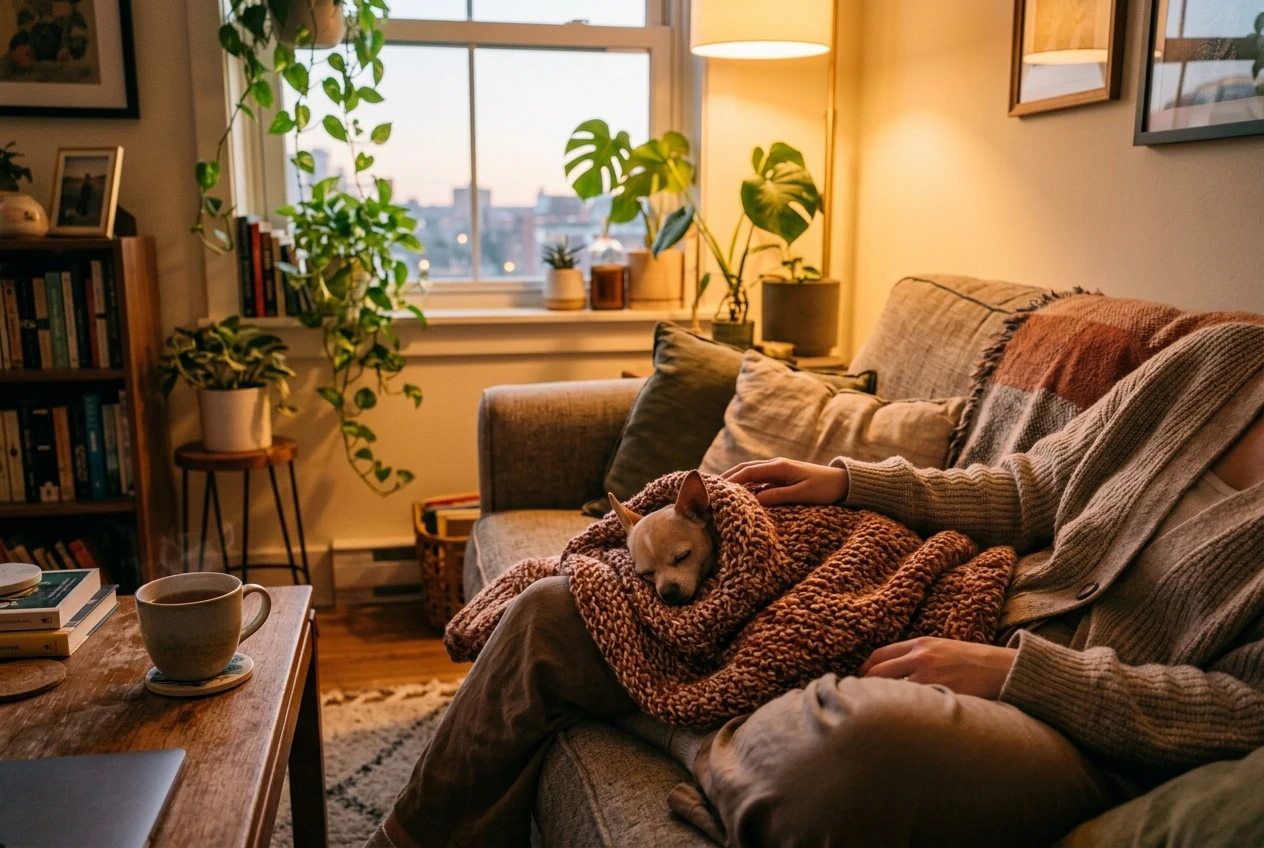
- You live in an apartment or small home. The dog’s exercise needs are modest: a couple of short walks and some indoor play are usually enough.
- You are home for much of the day or can arrange company. Chihuahuas do not do well isolated for long hours.
- You are ready to brush teeth, watch weight and visit the vet regularly.
- You are willing to invest time in training and socialization, including patience with housetraining.
- You want a close companion and are comfortable with a dog that picks favourites.
- You can commit to a dog that may live well over ten years.
A chihuahua may be a poor match if you have toddlers who cannot yet handle a small animal gently, if you want a dog that will accompany you on long hikes or runs, or if you are away from home for most of the day. People who want a dog that is friendly with everyone without effort may also find the breed’s wariness a challenge.
Before you decide, spend time with adult chihuahuas, ideally of the coat type you are considering, and talk to owners about daily life. If you are buying from a breeder, ask to meet the parents, request health records and avoid anyone selling “teacups”. If you are adopting, chihuahuas and chihuahua mixes appear in shelters and breed rescues regularly, and an adult dog comes with a temperament you can see before committing.
A well-socialized, well-cared-for chihuahua is a devoted, entertaining companion that takes up very little space. The breed asks for attention to its teeth, its weight and its manners, and it returns that attention with strong loyalty to its owner.
Remember, whatever dog you choose it is a lifetime committment, they are not a toy and they are not disposable.
“The single greatest cause of death in dogs under one year of age is not Parvo, it’s not Distemper, it is lack of obedience training and 93% of training and behaviour problems can be solved using a series of simple dog training techniques.”